Book 6
Three Cherries
For Lara and Zac
Use the arrows, swipe, or tap the edges of the page.
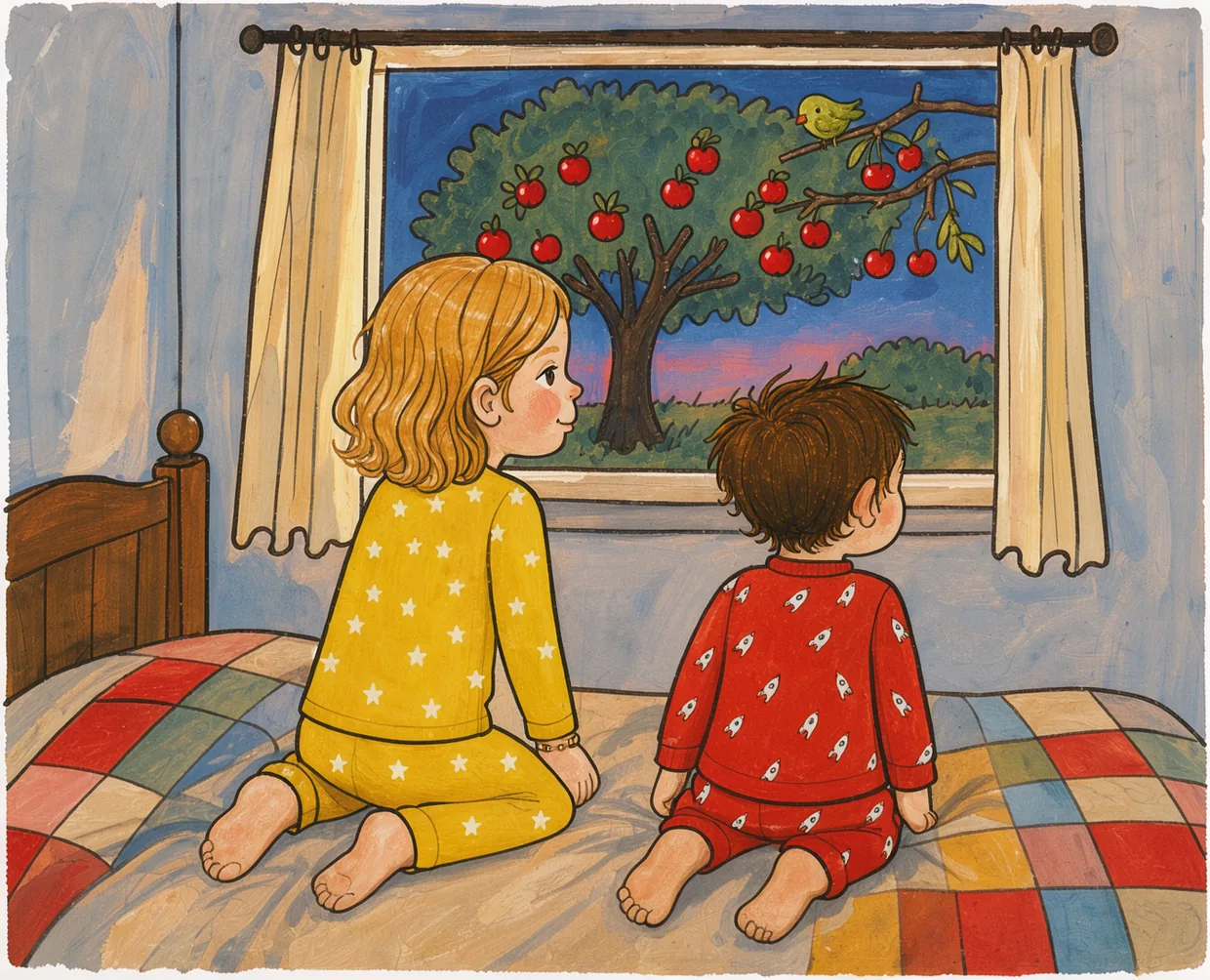
When the lamp goes warm and the garden goes quiet, Ponder comes out to wonder.
Over the top of Ponder’s hedge hangs a branch of the cherry tree from next door. And this evening, from the window, Lara saw something small and red dangling from it.
1
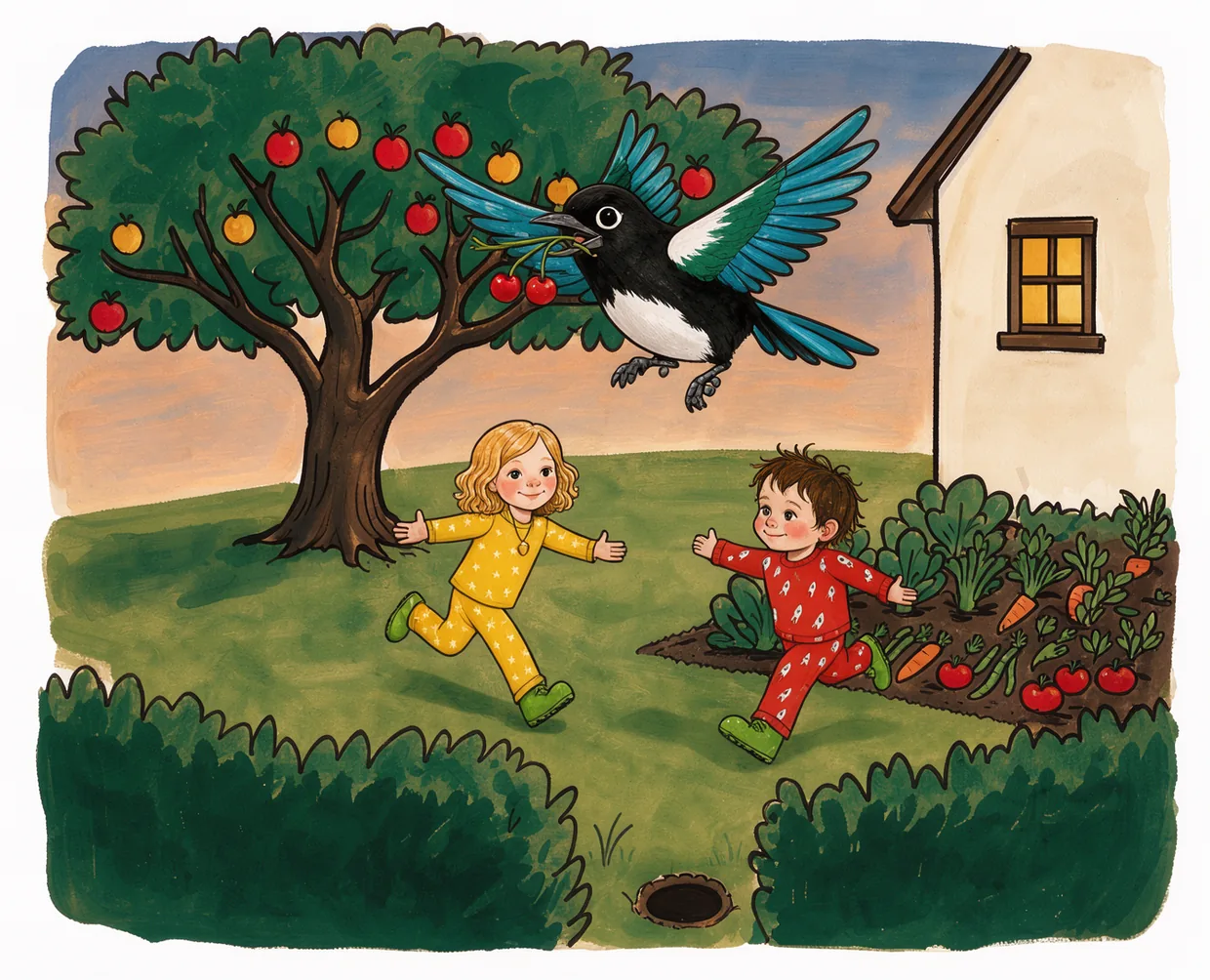
Pip flew down with a twig in his beak. On the twig were three shiny red cherries.
“Look what I found!” said Pip, through a beakful of twig. Lara and Zac came running across the lawn in their wellies, as fast as wellies allow, which is not very fast.
2
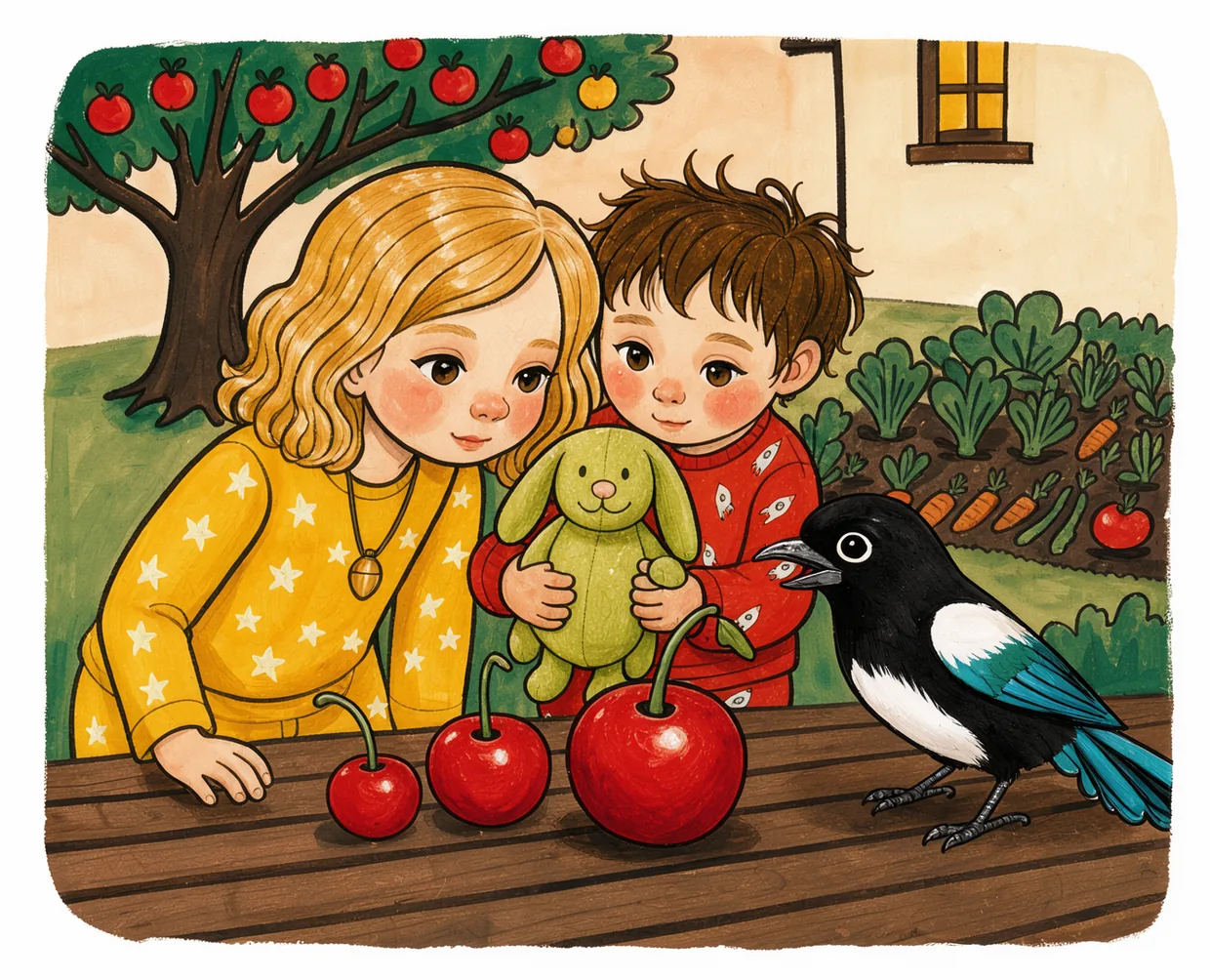
Three cherries. Two children. “One for me,” said Lara, “one for Zac… and one left over.”
They all looked at the third cherry. It was the reddest, roundest, shiniest cherry of the lot. Even Bunny seemed to be looking at it.
3
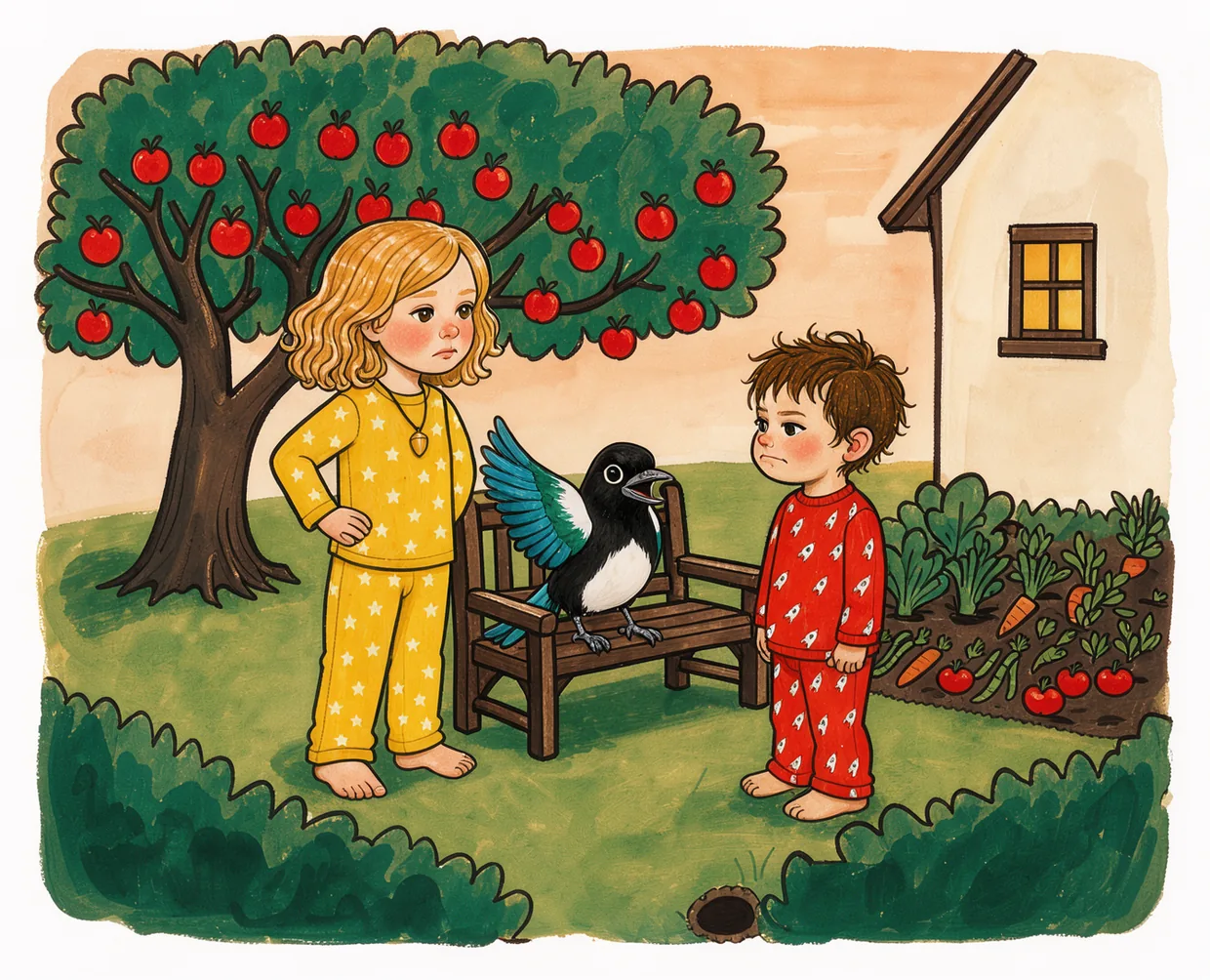
“I should have it,” said Lara. “I’m the oldest, so I should choose first.”
“That’s how it works,” Lara explained. “Oldest chooses first. And anyway, I’m bigger, so I’ve got a bigger tummy to fill.” It sounded very sensible when she said it.
4
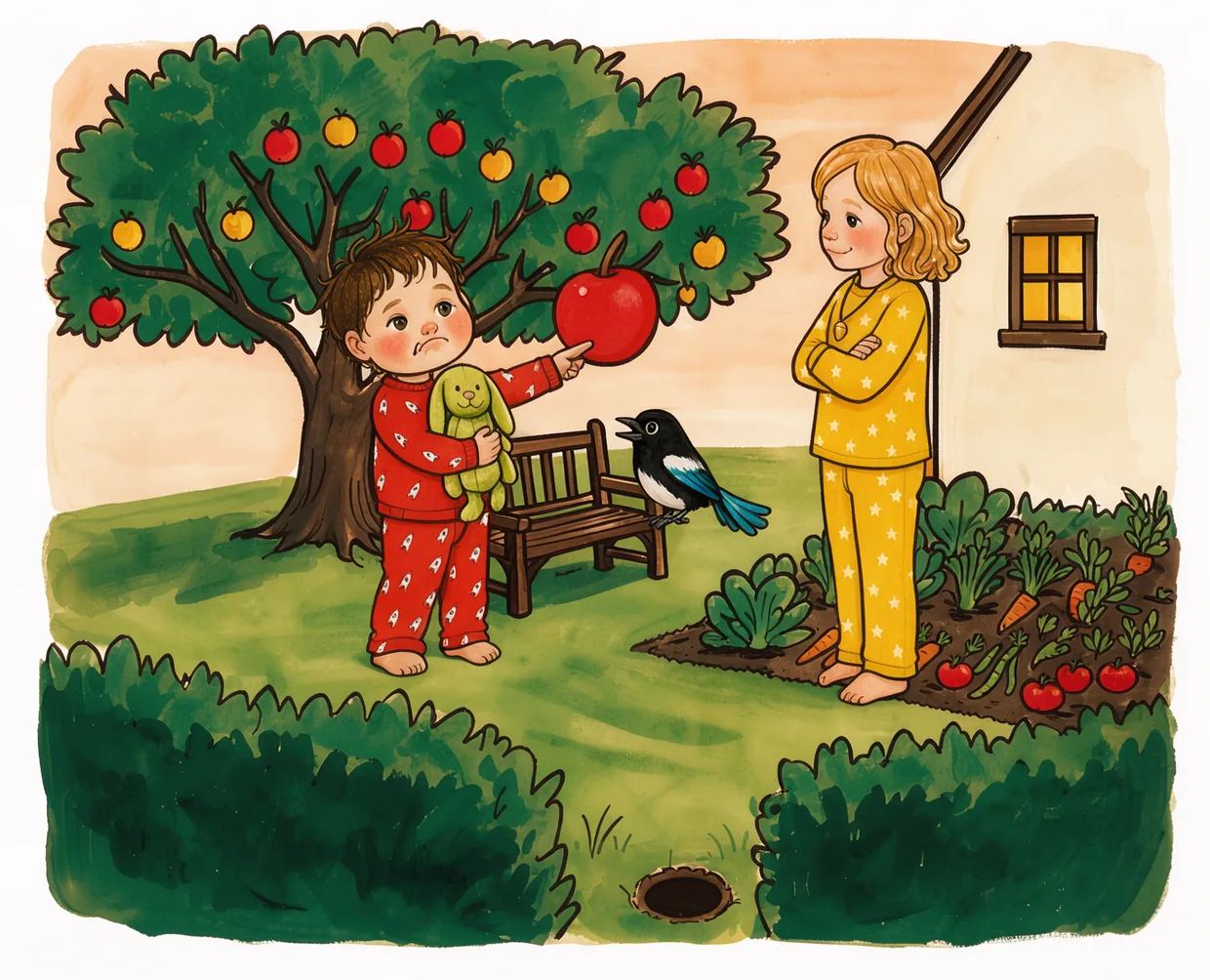
“No, ME!” said Zac. “I’m the littlest. I need it to grow BIG. That’s not FAIR!”
Zac stood on his tiptoes to look as little and as hungry as possible, which is quite hard to do at the same time. His bottom lip began to wobble.
5
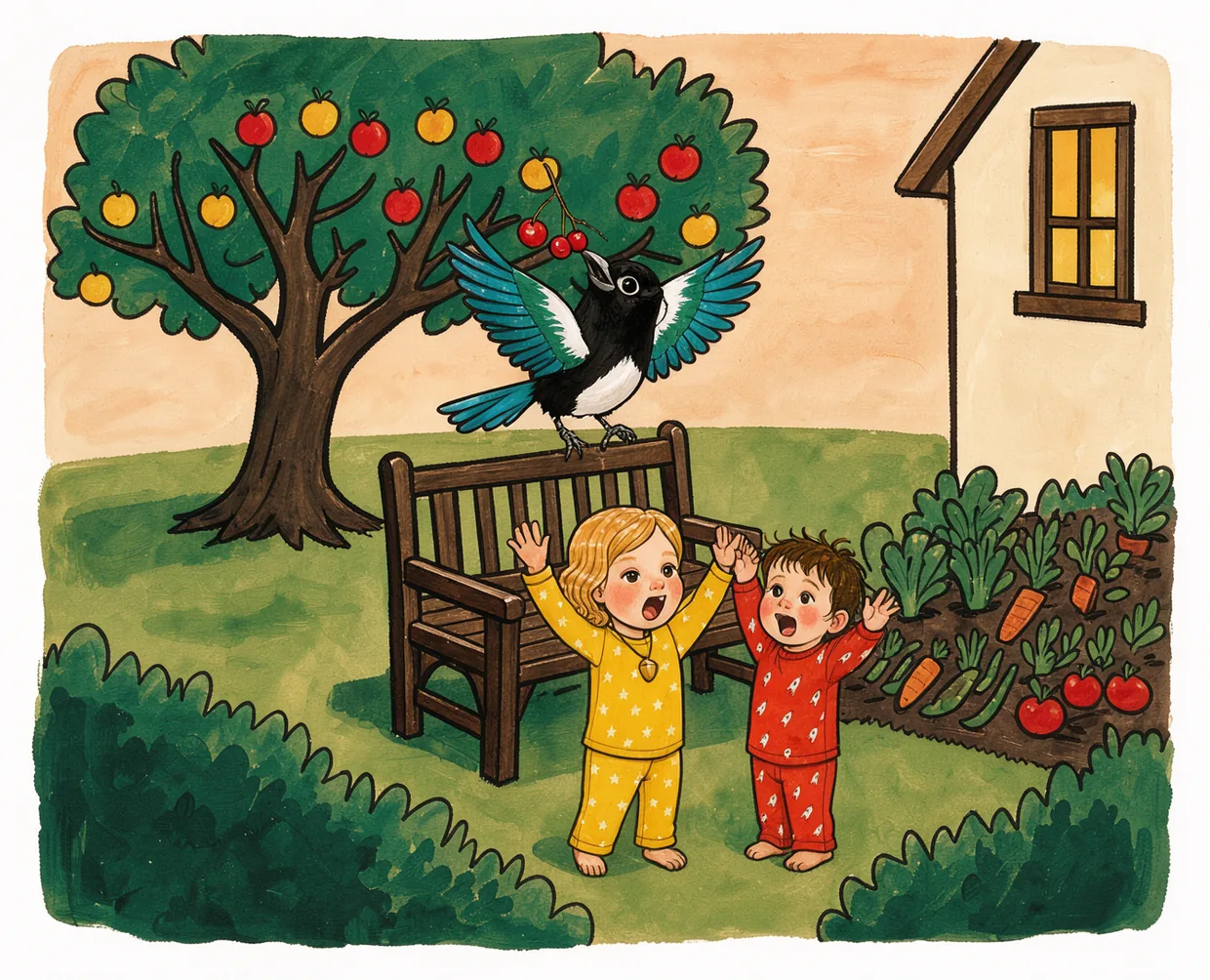
“NEITHER of you,” said Pip, and he grabbed the twig. “I found them. Finders keepers!”
“If I hadn’t found them, there wouldn’t be ANY cherries,” said Pip. “So they’re all mine. That’s fair.” “That’s not FAIR!” said Lara and Zac, both at once.
6
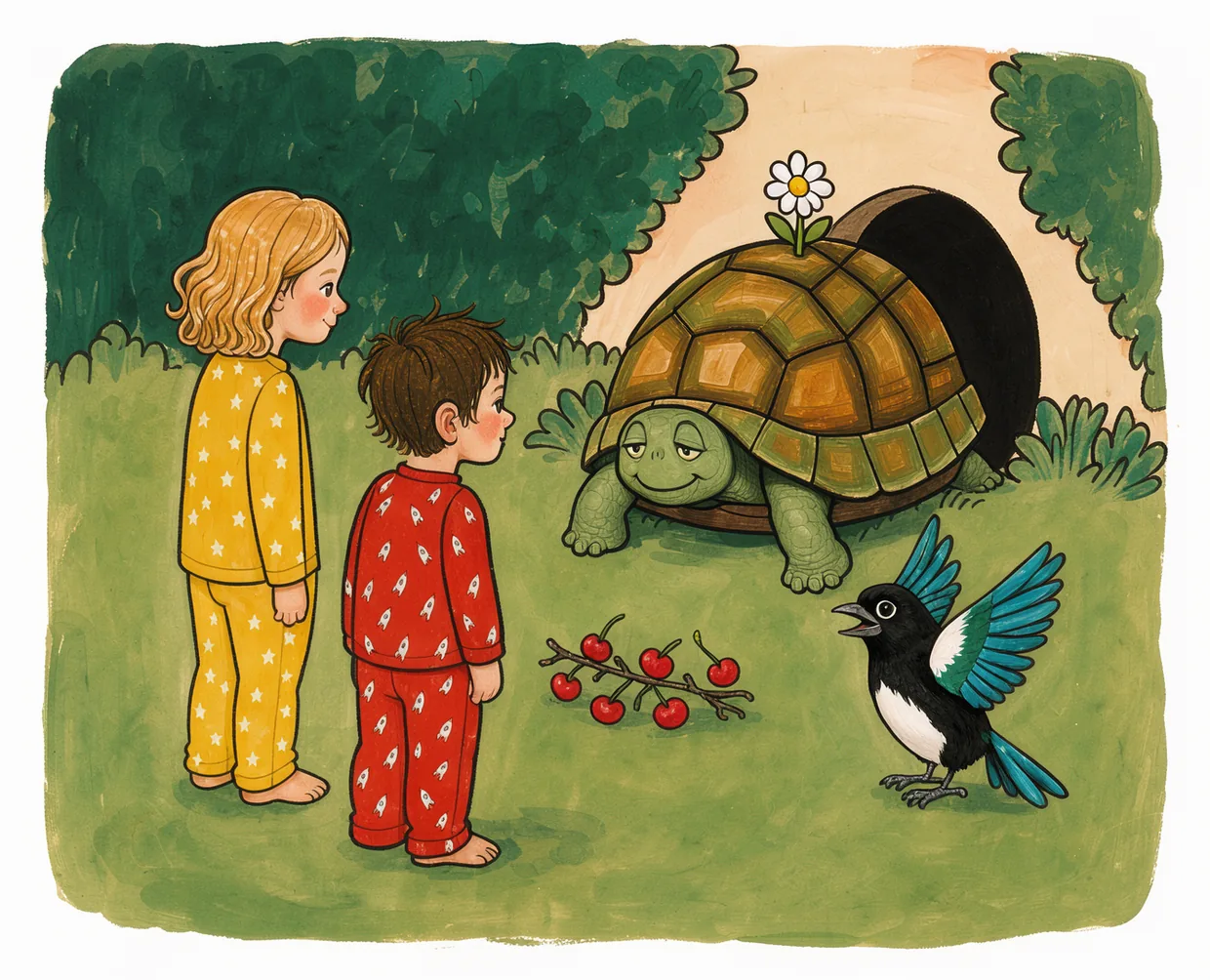
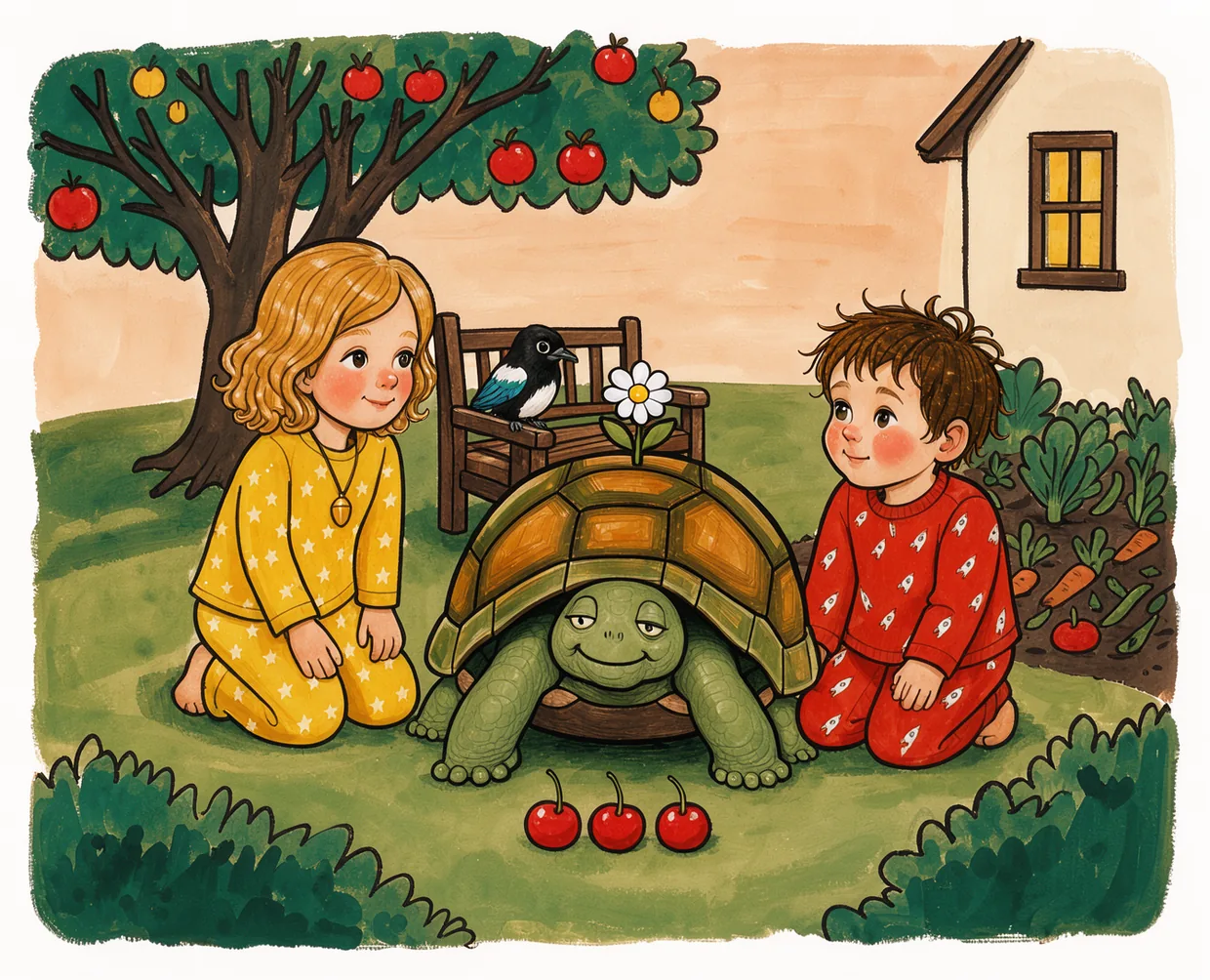
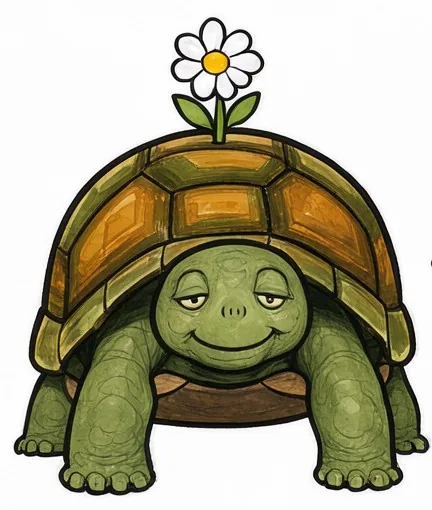
Ponder came out of her hollow, very slowly. “Hmm,” she said. “What a lot of fair.”
“Lara thinks the oldest should choose. Zac thinks the littlest needs it most. Pip thinks the finder keeps it.” She looked at each of them in turn. This took quite a long time.
7
Pause and wonder
“Ponder,” said Lara, “what’s the FAIR thing to do with the third cherry?”
Ponder blinked, once and then twice. “I wonder,” she said. “Is fair the same as everybody getting the same? Or is fair something else? What do you think?”
8
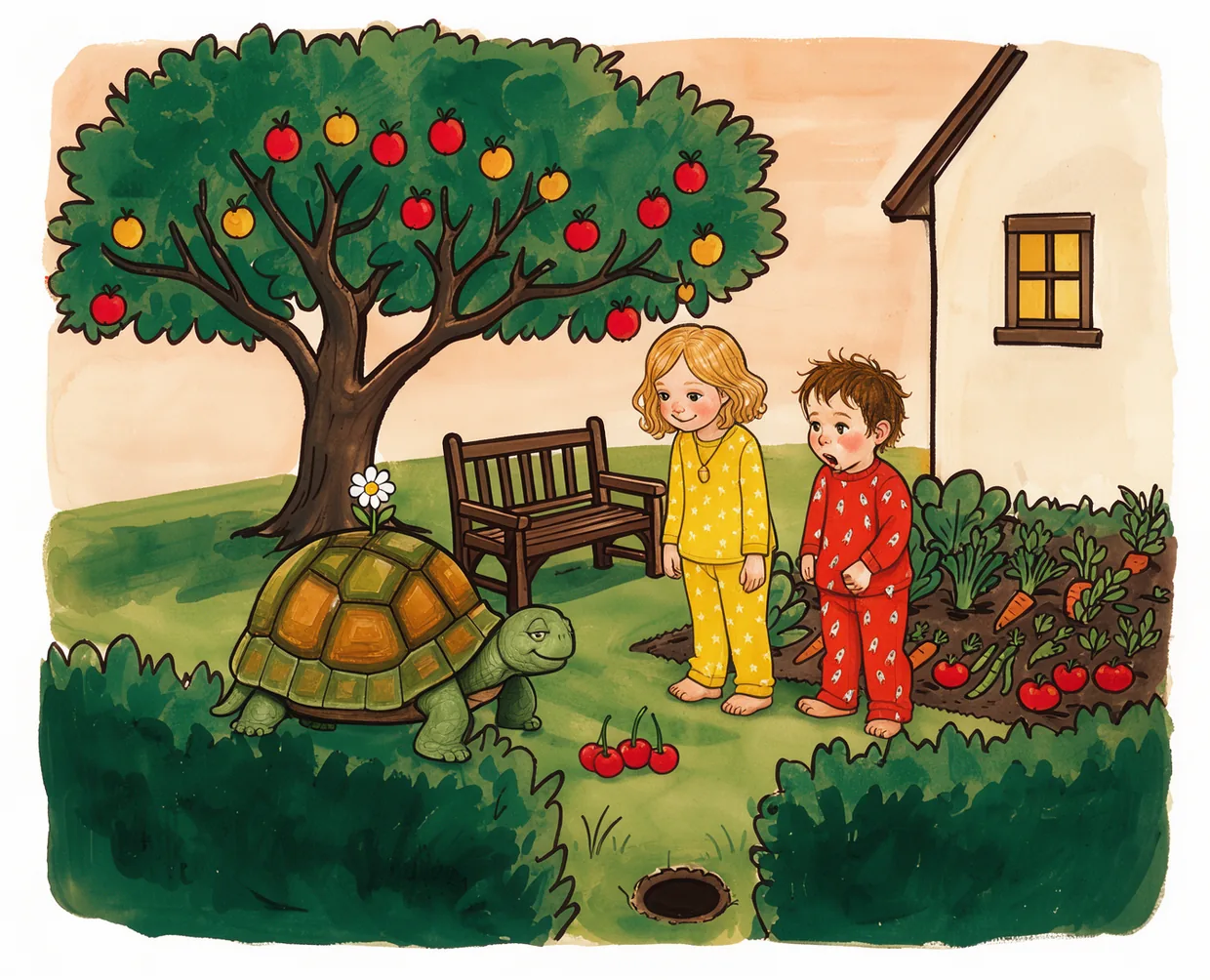
“And what if,” said Ponder, “one of the cherries was for me?”
Everybody stared at her. Ponder hadn’t found the cherries. Ponder wasn’t the oldest child or the littlest one. But Ponder was very, very old, and she liked cherries very much, and she had never once had one.
9
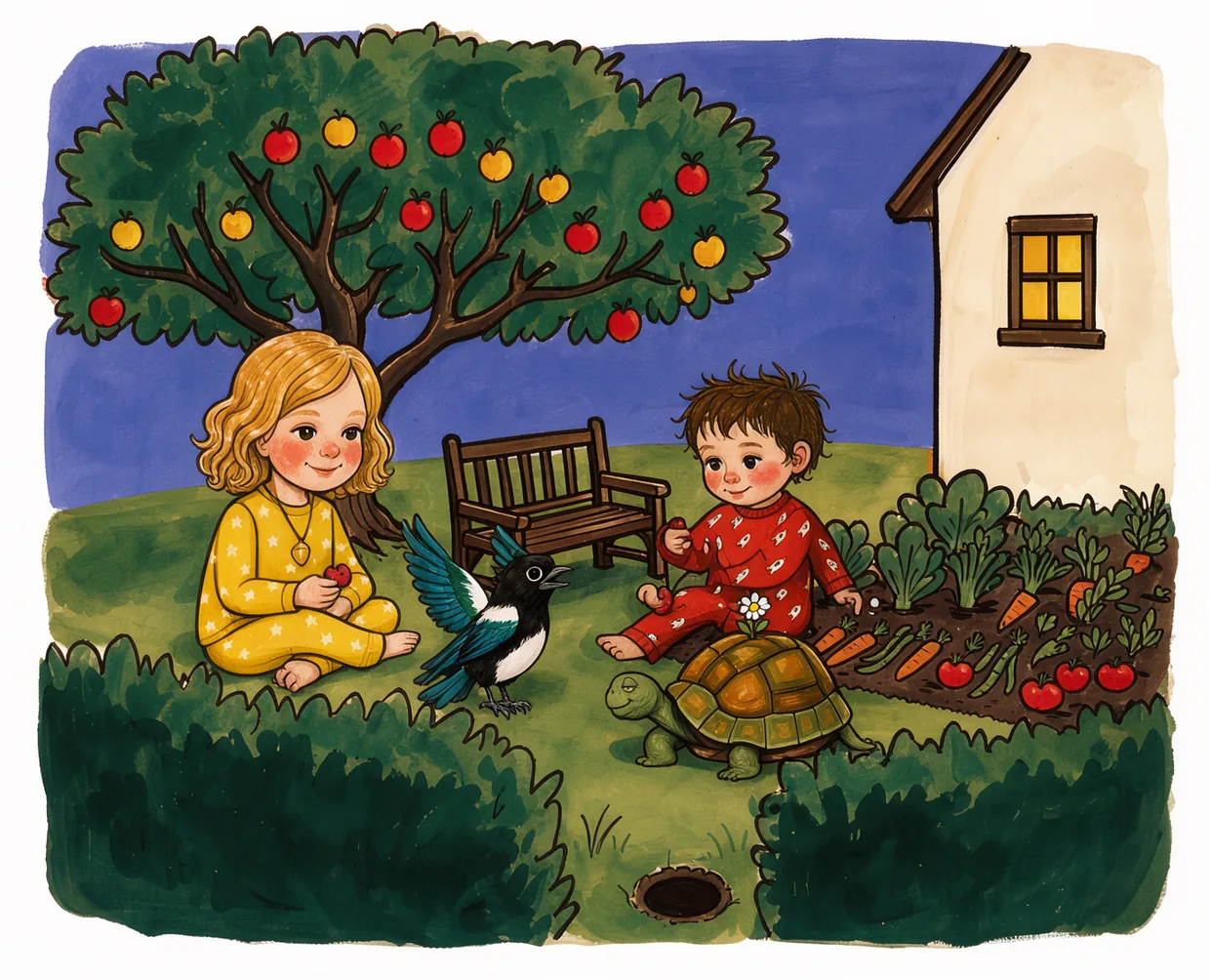
So Lara squashed the third cherry into four teeny pieces, one for everybody.
It was very sticky. Zac said his piece was the smallest. Pip said his piece was the reddest. Ponder said hers was perfect. Then Zac took the stone and planted it by the hedge. “For a cherry tree,” he said. “For everyone.”
10
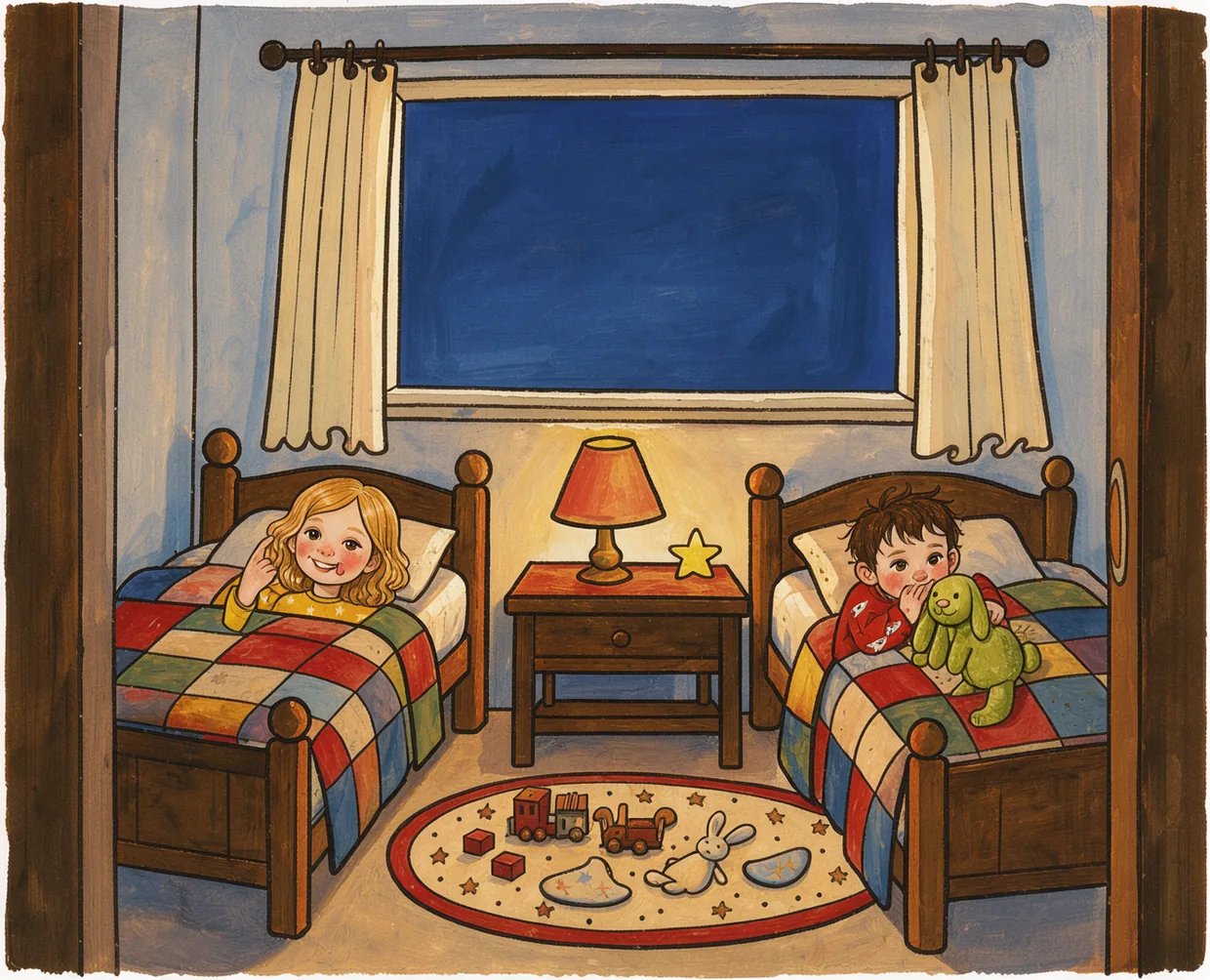
In bed, Lara licked her sticky fingers. “Was that fair?” she whispered. “Bunny says yes,” said Zac.
“Bunny didn’t get any,” said Lara. Zac thought about this for a long, long time. Then he held Bunny very close. “Bunny says that’s not FAIR!”
11
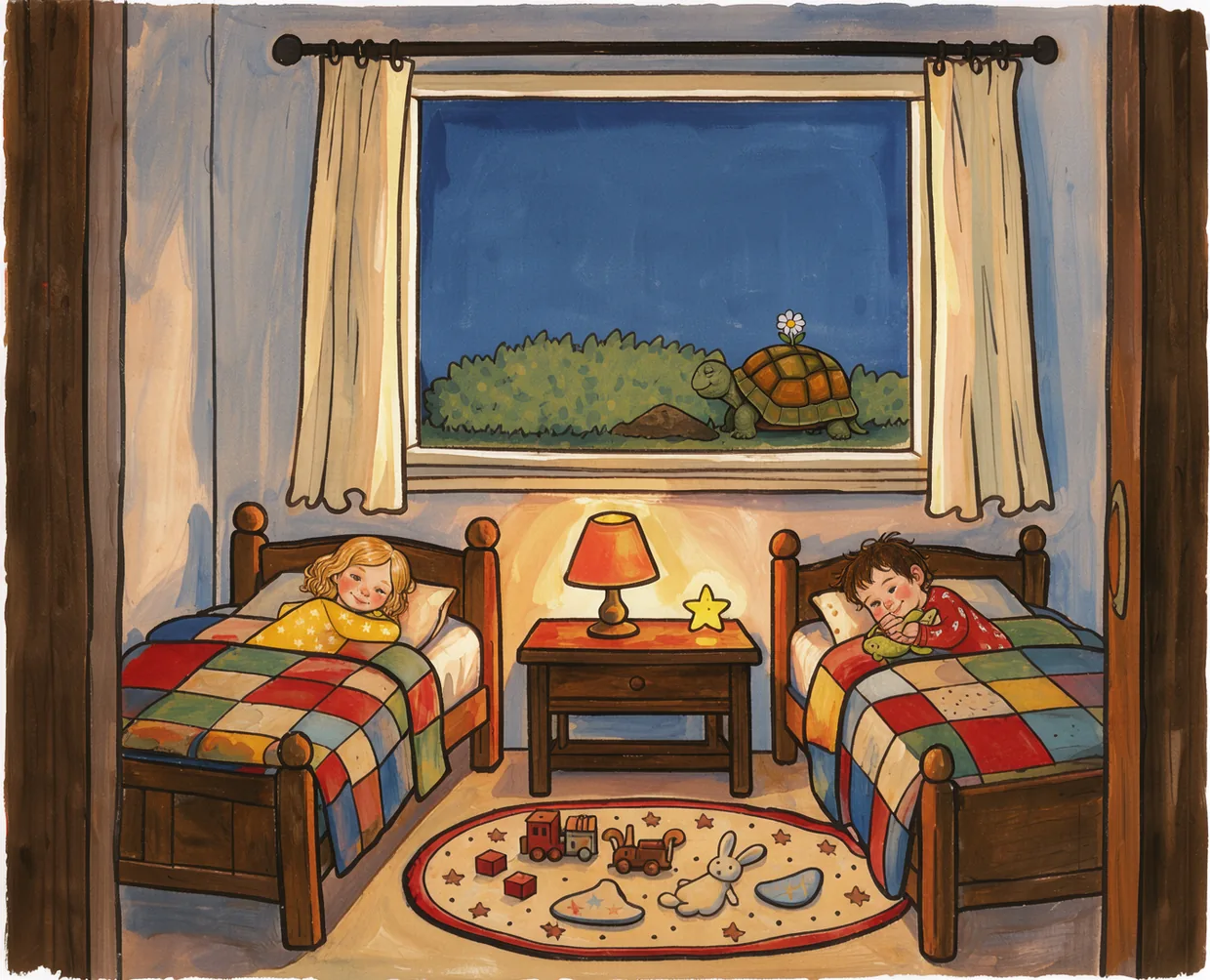
“Some questions are for sleeping on,” said Ponder. “Night night, Ponder.” “Hmm. Night night. I wonder…”
And by the hedge, in the dark, a small cherry stone lay in the soft earth. Not growing yet. Just waiting, for everyone.
12
Ponder’s question
What is the fair thing to do with the third cherry?
Count the cherries with me. One, two, three. Who should have the third one? Point!
Is fair always the same as everybody getting the same? Can you think of a time when it isn’t?
Some people think…
Fair means everybody gets exactly the same, even if you have to squash the cherry.
Fair means the person who needs it most gets it.
Fair means whoever found it, or worked for it, gets to keep it.
Or something else?
You’re allowed to agree. You’re allowed to disagree.
For grown-ups
The question: What makes sharing fair? Equal shares, giving to whoever needs most, or rewarding whoever earned it?
Its name: Distributive justice. Equality, need and desert, plus first possession (“finders keepers”).
Where it comes from: Original story. The three ideas of fairness go back to Aristotle (Nicomachean Ethics, Book V, on giving people what they deserve). Researchers find children object to unfairness against themselves well before they object to unfairness in their own favour (Blake, McAuliffe and colleagues, 2015).
Questions, little to big
- Should everybody get the same number of cherries? (Thumbs up or down.)
- Why does Pip think the cherries are his?
- Have you ever had to share something when there wasn’t enough to go round?
- What if Pip had flown a very long way to find the cherries? Would that change things?
What they might say
Zac (3): “Me! Because I want it.” Very young children usually argue from wanting. Ask what Bunny would say, which helps them step into someone else’s shoes.
Lara (6): Six-year-olds often insist on exactly equal shares, then hesitate when need or effort comes up. Try asking whether the cherries even belonged to Pip, since they grew on next door’s tree.
Tomorrow
At snack time, put out a number of grapes that doesn’t divide evenly. Let them work out what to do with the odd one, and just listen to the reasons.
How to wonder together: ask, then wait. Say their words back to them. “Can you say more?” “Someone might say…” Don’t say “right” or give your answer; Ponder never does. Too big for tonight? “Let’s wonder about that at breakfast.” (Then do.)